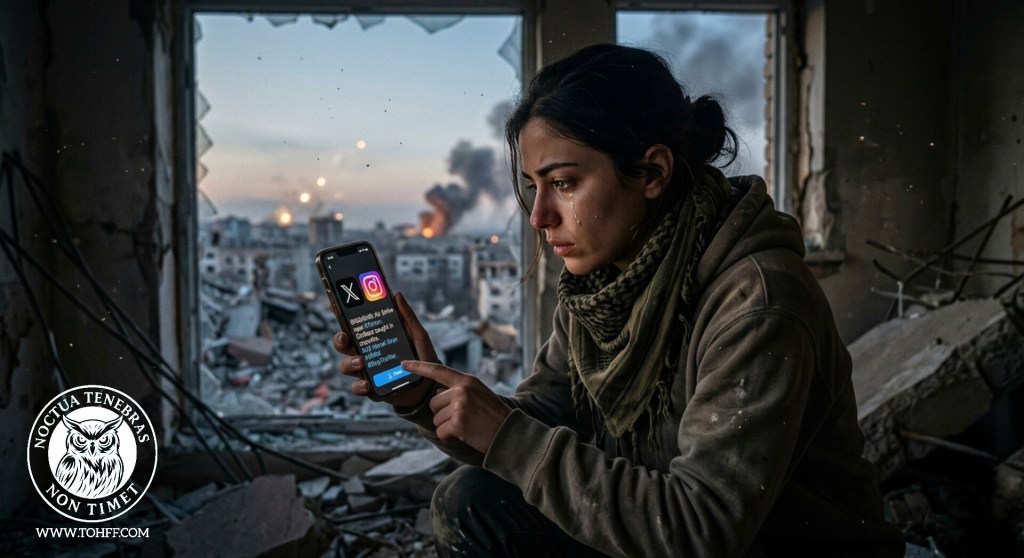
I talked about the use of social media in modern warfare in my article “The Fall of Bashar Al-Assad & Syria”, where the Islamic militants who formed the opposition to the Assad regime brilliantly employed social media in their sweeping military offensive that ended the Assad family’s 53-year rule of Syria. Of course the Islamic militants were guided by the experts of Turkey’s intelligence service MIT (Millî İstihbarat Teşkilatı).
The current war between Iran, The United States and Israel has again highlighted how the use of social media must be included in all battle plans for both offense and defense. While the Military is engaged in combat operations the information war on social media can compromise military operations, discredit governments and cause divisions in alliances.
Here I have listed just three examples where social media posts and comments have gone viral and caused, shall we say headaches, for those that posted them.
The Imaginary Kurdish Offensive on Iran
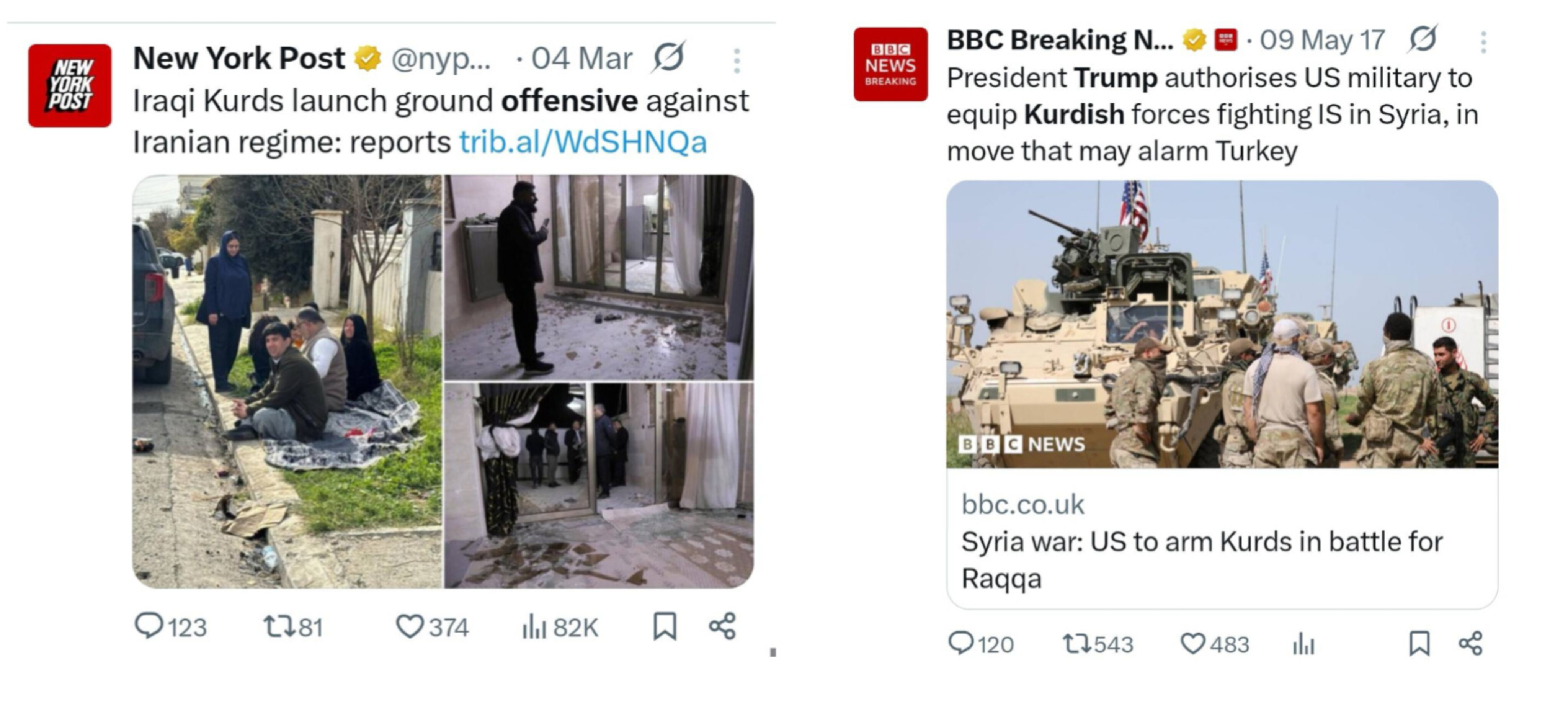
Amid the escalating conflict with Iran, statements by President Donald Trump created confusion about the potential role of Kurdish forces early in the crisis, President Trump publicly suggested he would support a Kurdish uprising or offensive inside Iran, saying he would be “all for it,” which raised expectations among some Kurdish opposition groups and analysts.
However, within days he reversed his position, stating he had told Kurdish leaders not to enter the war. Trump argued that Kurdish involvement would complicate the conflict and risk unnecessary casualties, emphasizing that the United States did not want to see Kurdish fighters “hurt or killed.” The shift highlighted uncertainty over Washington’s strategy and the Kurds’ role in the conflict.
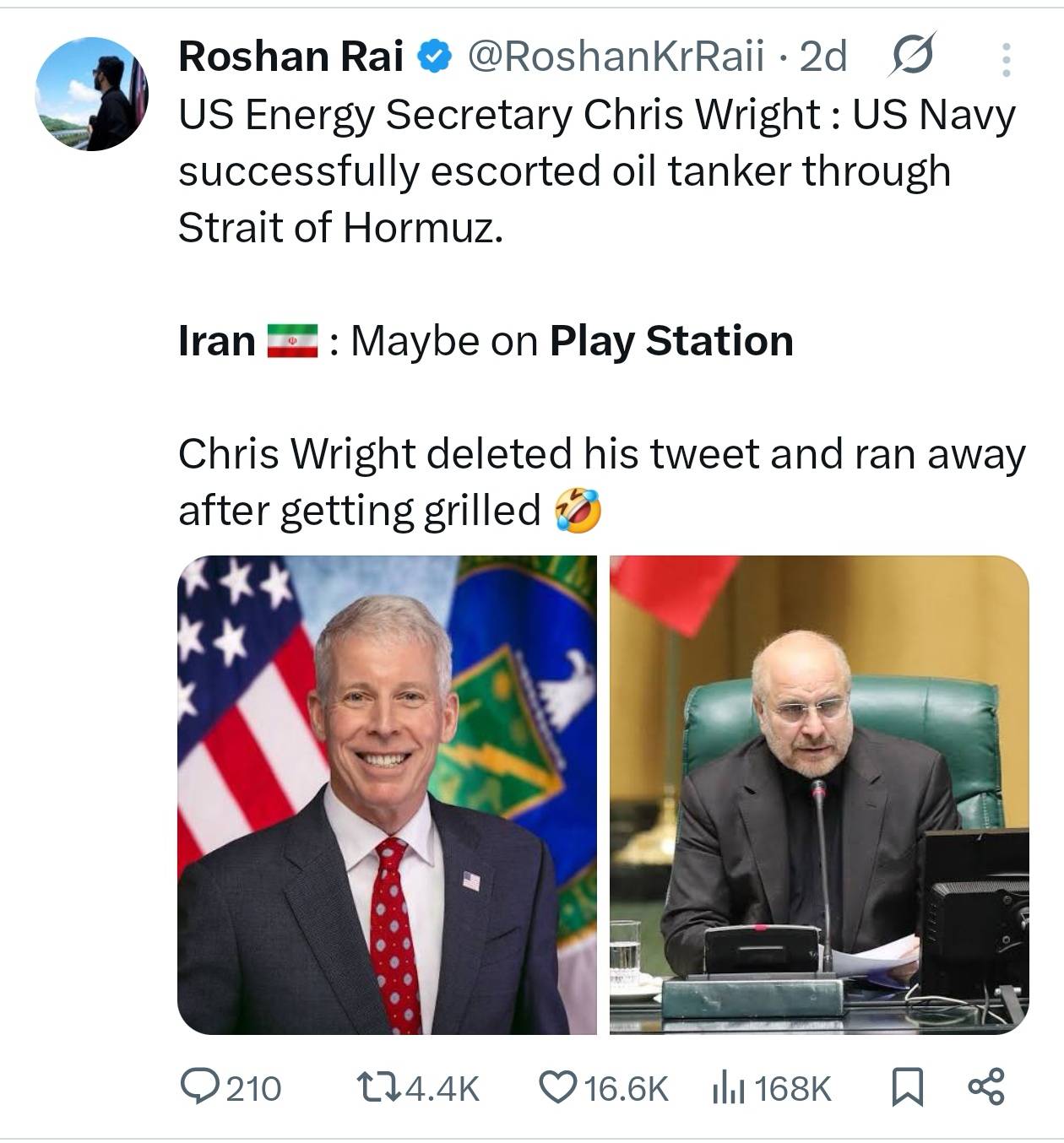
After President Trump offered support to the Kurdish Iranian groups, social media was flooded with stories and posts stating that the Kurds were actually engaged in combat within Iran. An abundance of stories told of how the American CIA and Israeli Mossad were working with the Kurds in their offensive and supplying them with weapons. All of these stories were completely false.
All that President Trumps comments and the mass of fake social media posts did was to make the Kurdish Iranian groups a target for Iranian missile and drone attacks, which has resulted in casualties.
PlayStation Tactics in the Strait of Hormuz
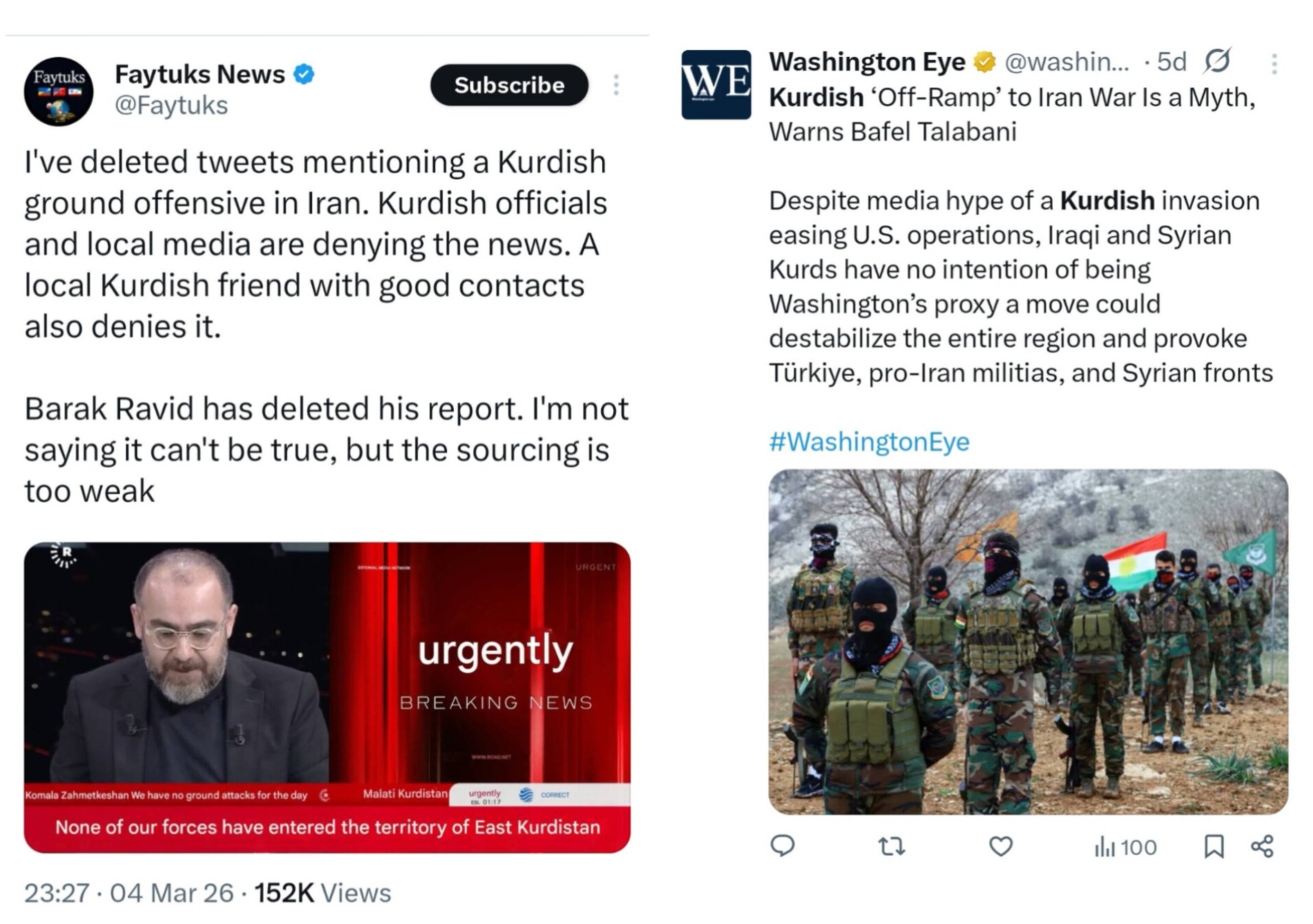
The White House blamed a low-level staffer after a false social media post from U.S. Energy Secretary Chris Wright claimed a U.S. Navy-escorted oil tanker had successfully passed through the Strait of Hormuz. The escort never occurred, and the post was quickly deleted after the error was acknowledged. However, the claim had already spread widely online.
The Iranian Parliament Speaker, Mohammad Bagher Ghalibaf, captured the post before it was removed and mocked it on social media, joking that the escort may have existed “on PlayStation.” His message gained massive engagement and became one of the most widely viewed Iranian government posts during the crisis, with twenty-one thousand likes, 4,700 retweets and one million views.
Oil prices swung violently on a claim that vanished as quickly as it appeared. WTI plummeted from $119.50 to $87 following a flurry of de-escalation signals, including escort announcements that never actually materialized. While the escorts were a phantom, the price crash was very real. Even after a partial correction, the market remained tethered to a deleted post that was written by an anonymous staffer and published to a high-ranking government Secretary’s account without their consent.
The incident highlighted failures in internal review procedures during a sensitive military situation. Markets also reacted before the correction, with oil prices dropping sharply amid perceived de-escalation signals. The episode demonstrated how a single inaccurate post can influence global perceptions, financial markets, and the information battlefield.
OPSEC Issues for the British Ministry of Defense
The UK Ministry of Defence (MOD) sparked concern after publicly revealing military equipment repair workshops operating inside Ukraine. The facilities, where British-contracted engineers work with Ukrainian technicians to repair Western-supplied artillery and armored vehicles, had previously been kept secret for security reasons.
By discussing and showcasing the sites during a ministerial visit, critics argue the announcement risked compromising operational security and potentially exposing the locations to Russia.
While officials said the disclosure highlighted the scale of British support and the efficiency of repairing equipment closer to the front, analysts warned that publicizing sensitive logistics infrastructure during an active war could increase the danger to personnel and facilities involved.
The compromise of at least one workshop in Ukraine via social media demonstrates how the UK Ministry of Defense, and others struggle to control, decentralized media output. Note: The above video is several weeks old at the time of posting and we presume, and hope for the safety of all involved, the workshops have been relocated due to their locations being compromised.
Conclusion
Anyone with a smartphone and internet access can post a story, photo or video, whether fake or real, that can cause huge damage to reputations, military operations and global financial markets.
Social media should be viewed as a very sensitive and volatile weapon that can be used offensively and defensively. Social media, just like drones, have changed the face of modern warfare and are elements that need to be fully understood and exploited in current and future conflicts.
Book on Amazon!
Intelligence Gathering: Front Line HUMINT Considerations
The things I talk about in this book are double-sided; can be used to
target others or used against you.
Audio Book @ https://www.amazon.com/dp/B0DJMW8SM5
Kindle @ https://www.amazon.com/dp/B086WPL4XS
Paper Back @ https://www.amazon.com/dp/B086PN2KLQ
Hard Cover @ https://www.amazon.com/dp/B0FK25TC7D
 Truth Only Has Few Friends