If you think you are under surveillance you need to establish why and who the threat is: criminals, government, a lone stalker, private investigators, or a crazy ex. You need to do this, so you can determine their potential skill level and consider what other type of surveillance is being used against you: listening devices, remote cameras, mail being intercepted, computers being hacked or physical surveillance?
These days we must ensure our computers, smartphones and internet connections are secure; if the criminals or terrorists get access to these, for most people it means they will know all their personal details. I am still surprised that currently a lot of people still have no security on their phones or computers, post personal information, and photos on public social media accounts. I think these days it’s suspicious if someone does not use social media to some extent, personally I think most platforms are safe enough, just understand whatever you post is or can become public.
Computer and network security are a constantly evolving specialized industry that needs to be left to the experts, but social engineering is something everyone in the security industry needs to understand. In basic terms, social engineering is some form of confidence trick used to gather intelligence, defraud or get access to computer systems, etc. A lot of successful computer hacks are just successful social engineering operations rather than network penetrations.
Social engineering operations are disguised as regular everyday happenings that fit in with the target’s lifestyle. For example, the bored middle-aged CEO gets a Facebook friend request from an attractive young lady, he confirms the request and starts chatting and trying to impress her. The young lady’s Facebook profile can be a complete fraud made up by those targeting the CEO or other members of his corporation. By just confirming the friend request the CEO has given the criminals or terrorists access to a wealth of information, and will give up more in his ongoing conversations and hopefully emails from his corporate account…
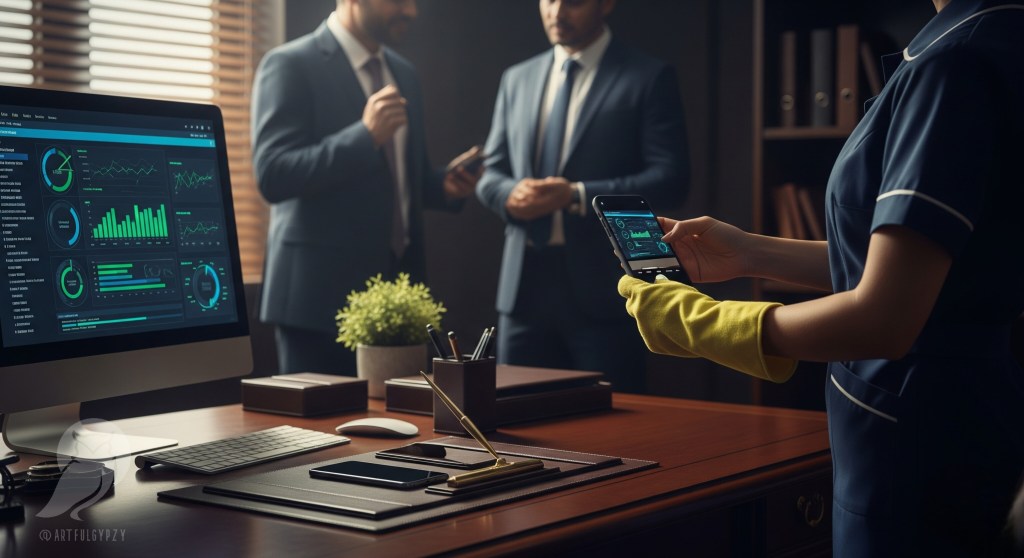
Just think about how many people can access your computer, for example colleagues at your office. If you leave your computer at the office overnight can maintenance, security or cleaning staff get access to it? There have been cases of corporate espionage where private detective agencies have placed agents in the cleaning and security staff working at their target’s offices, so they can access the target company’s computers and trash after work hours. Most people would not consider as a threat the bumbling night shift security guard or the apparently barely literate office cleaner. Both could be downloading business data from the company’s computers or copying confidential papers, and they should be viewed as a threat!
You cannot carry your computers around with you all the time so, one thing to do is to keep minimum information on it. Keep all your sensitive information on a thumb drive or hard drive, which you can always keep on your person. Then if someone accesses your computer or if it’s lost or stolen the criminals won’t get any worthwhile information.
The next time you are in a coffee shop for example, without being obvious, look at what people are doing on their computers, phones and listen in to their conversations. Many people regularly work in public locations where anyone can view their computer screens, with unsecured Wi-Fi connections with the same comfort level they would have at home. When chatting with friends in public, people disclose all the time personal information that could be useful to a criminal. So, remember, if you can view what others are doing on their computers or phones and listen to their conversations, others could do the same to you if given the opportunity.
If you believe your computers or phones are bugged then you need to get them cleaned, which can be costly and difficult in some locations. Another option is to use misinformation to mislead or entrap those who may be monitoring you. This could be a safer option rather than letting the criminals or terrorists know that their operation is compromised, which could force them into acting.
Book on Amazon!
Intelligence Gathering: Front Line HUMINT Considerations
The things I talk about in this book are double-sided; can be used to
target others or used against you.
Audio Book @ https://www.amazon.com/dp/B0DJMW8SM5
Kindle @ https://www.amazon.com/dp/B086WPL4XS
Paper Back @ https://www.amazon.com/dp/B086PN2KLQ
Hard Cover @ https://www.amazon.com/dp/B0FK25TC7D

